Wondering what day-to-day life in Palmetto Bay actually feels like, beyond the listing photos and map pins? If you are thinking about moving here, you probably want more than stats. You want to know how the area functions, what the pace is like, and whether it fits the way you live. This guide walks you through what locals experience in Palmetto Bay, from outdoor space and home styles to errands, routines, and community life. Let’s dive in.
Palmetto Bay lifestyle at a glance
Palmetto Bay is a bayfront village in Miami-Dade County with about 25,402 residents across 8.29 square miles, according to the U.S. Census QuickFacts. The same data show a 78.2% owner-occupied housing rate, a median owner-occupied home value of $879,700, and a median household income of $142,447.
In practical terms, living here tends to feel more suburban than urban. The village presents itself as a place shaped by bay access, parks, and a more residential rhythm, which lines up with the housing and zoning patterns across the area. If you are comparing Palmetto Bay to denser parts of Miami, the biggest difference is often the pace.
Daily life feels home-centered
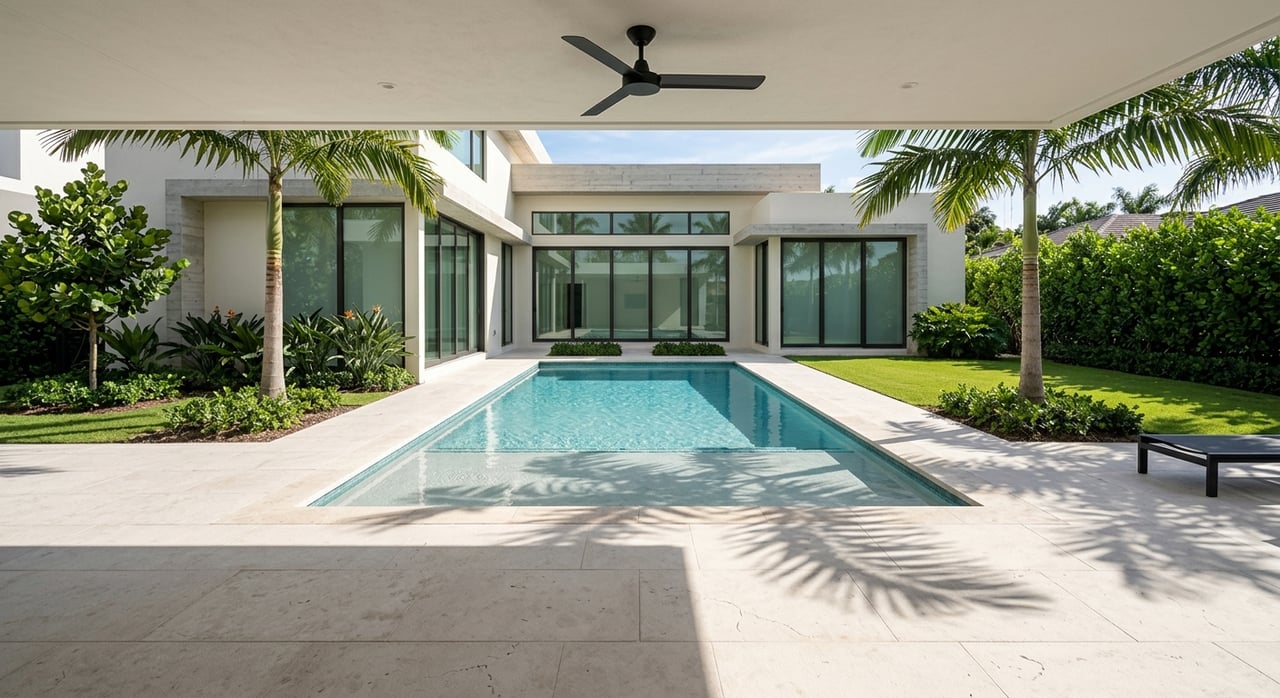
A big part of Palmetto Bay’s appeal is that daily life often revolves around your home base. With a high owner-occupancy rate and development patterns that favor detached homes and larger lots, the area gives off a settled, residential feel rather than a dense, mixed-use one.
The village’s E-M Estate Modified Single Family District requires a minimum lot size of 15,000 net square feet, along with open-space and landscaped-area standards. That helps explain why many parts of Palmetto Bay feel roomy, green, and yard-oriented. If you value privacy, outdoor space, and a lower-density setting, that is a meaningful part of the local experience.
Parks shape the local routine
Palmetto Bay calls itself the Village of Parks, and that is not just branding. The park system plays a real role in how people spend time here, whether that means sports, walks, playground time, or simply being outdoors more often.
The village says its system includes five village-operated park facilities, along with county-managed destinations like Charles Deering Estate and Bill Sadowski Park. That concentration of green space gives residents multiple ways to build outdoor time into everyday life.
Coral Reef Park for active days
Coral Reef Park spans more than 50 acres and includes baseball and football fields, a soccer field, tennis courts, beach volleyball, racquetball, pickleball, batting cages, a covered playground, open green space, and an exercise trail. It is one of the clearest examples of how recreation is woven into the village.
The village also announced the grand opening of the Coral Reef Park Recreation Center and pickleball courts in March 2026. That continued investment suggests an area where outdoor amenities and active recreation remain a local priority.
Palmetto Bay Park for gatherings
Palmetto Bay Park is a 25-acre facility with greenspace, basketball courts, a Boundless Playground, picnic pavilions, a recreation room, and a six-field softball complex. For many residents, places like this help define the area’s social rhythm more than a nightlife district would.
Instead of planning around high-rise amenities or late-night hotspots, life here often looks more like park meetups, weekend recreation, and community events. That can be a great fit if you want more breathing room in your schedule and surroundings.
Thalatta Estate for bay views
Thalatta Estate Park offers a different side of Palmetto Bay. This roughly four-acre bayfront property has unobstructed Biscayne Bay views, direct water access, native habitat, and a walking trail to the water’s edge.
It also connects to the Old Cutler Bicycle Trail, which adds to the area’s outdoor appeal. If your ideal Miami lifestyle includes water views and calmer public spaces, Thalatta helps explain why Palmetto Bay feels distinct.
Ludovici Park for quieter moments
If you prefer lower-key spaces, Ludovici Park offers a quieter setting anchored by the Palmetto Bay Branch Library, the Edward and Arlene Feller Community Room, an amphitheater, a gazebo, and a walk/run path.
This is another clue to what local life is like here. Palmetto Bay is not built around constant intensity. It offers places where you can slow down, get outside, and stay connected to community resources.
Waterfront access matters here
Even if you are not on the water every day, the bayfront setting influences the feel of the village. Palmetto Bay’s public spaces, views, and trail connections make the waterfront part of the local identity.
The village also notes that Thalatta, Coral Reef Park, Palmetto Bay Park, the Deering Estate, and other open spaces function as natural floodplains that absorb rainfall and help reduce flood risk. That means some of the same open spaces that add beauty and recreation also play an infrastructure role.
Getting around and running errands
Palmetto Bay is residential, but everyday needs are still close by. The village says dining, lodging, markets, and other services cluster along South Dixie Highway and US-1, a corridor it describes as easily and quickly accessible from anywhere in the village.
That setup shapes the local routine. You get a more home-centered environment, but you are not cut off from convenience. In many cases, daily life means living in a quieter residential setting while using the main corridor for errands, dining, and practical stops.
Community life is event-driven
One of the most useful things to know about Palmetto Bay is that its social energy appears to come more from programming and public spaces than from nightlife. The village calendar shows recurring offerings like Stretch & Relax classes at Palmetto Bay Park and Yoga by the Bay at Thalatta Estate Park, along with seasonal events.
The broader events page groups local offerings into classes and programs, camps and after-school programs, signature events, and community outreach. That points to a village where residents often plug into organized, community-based activities rather than relying on a dense entertainment district.
Historic spaces add character
Palmetto Bay also has a few civic and historic spaces that add texture to local life. The Perrine Community House, a renovated 1935 WPA-era building, hosts art exhibits, community meetings, and public events, according to the village calendar and events information.
Thalatta Estate adds architectural character too, with its 1926 Mediterranean Revival residence and maritime theme. These details help give the area a sense of place that feels grounded in local history, not just new development.
What homes feel like in Palmetto Bay
If you are moving from a more urban part of Miami, the housing feel may stand out right away. Based on local zoning, parks, and housing data, the built environment points to detached, low-density housing with substantial landscaping and some pockets of historic architecture.
That does not mean every home looks the same. It does mean many buyers are drawn here for space, greenery, and a more residential atmosphere. If your wishlist includes a larger lot, room to spread out, and a neighborhood environment that feels established, Palmetto Bay often checks those boxes.
Commute and pace of life
According to the Census QuickFacts, the mean travel time to work is 35.3 minutes. That number helps frame one of the tradeoffs of living here.
You may be choosing a calmer, more spacious residential setting while accepting that work or activity hubs may not be right outside your door. For many buyers, that trade feels worth it because of the setting, housing style, and overall lifestyle.
Who Palmetto Bay may appeal to
Palmetto Bay may be a strong fit if you are looking for:
- A suburban feel within Miami-Dade
- More green space and outdoor recreation
- Bayfront surroundings and scenic public spaces
- Detached homes and lower-density streetscapes
- A routine centered on home, parks, and community programming
It may feel less aligned if your priority is dense walkability, frequent nightlife, or a highly urban live-work-play setup. In that sense, Palmetto Bay offers a different version of Miami living, one that leans more residential and nature-connected.
The local takeaway
Living in Palmetto Bay as a local appears to mean trading some of Miami’s fast pace for more space, more greenery, and a stronger connection to parks and the bay. It feels organized around everyday comfort, outdoor access, and community routines rather than constant motion.
If you are exploring neighborhoods in southern Miami-Dade and want help comparing Palmetto Bay with nearby options, Rebecca Sundel can help you narrow down the right fit for your lifestyle, timing, and real estate goals.
FAQs
What is daily life like in Palmetto Bay, Florida?
- Daily life in Palmetto Bay tends to feel residential, park-oriented, and home-centered, with routines shaped more by outdoor spaces and community programming than by dense urban activity.
What kinds of homes are common in Palmetto Bay?
- Palmetto Bay is largely associated with detached, low-density housing, larger lots, substantial landscaping, and some historic architectural character, based on village zoning and housing data.
Does Palmetto Bay have good parks and outdoor space?
- Yes. The village highlights multiple park facilities, including Coral Reef Park, Palmetto Bay Park, Thalatta Estate Park, and Ludovici Park, along with access to the Old Cutler trail connection.
Where do residents shop and dine in Palmetto Bay?
- The village says many everyday dining and service options are concentrated along South Dixie Highway and US-1, which is designed to be easily accessible from throughout Palmetto Bay.
Is Palmetto Bay more suburban or urban?
- Palmetto Bay generally reads as more suburban, with a lower-density built environment, bayfront open space, and a lifestyle centered on home, nature, and community activities.