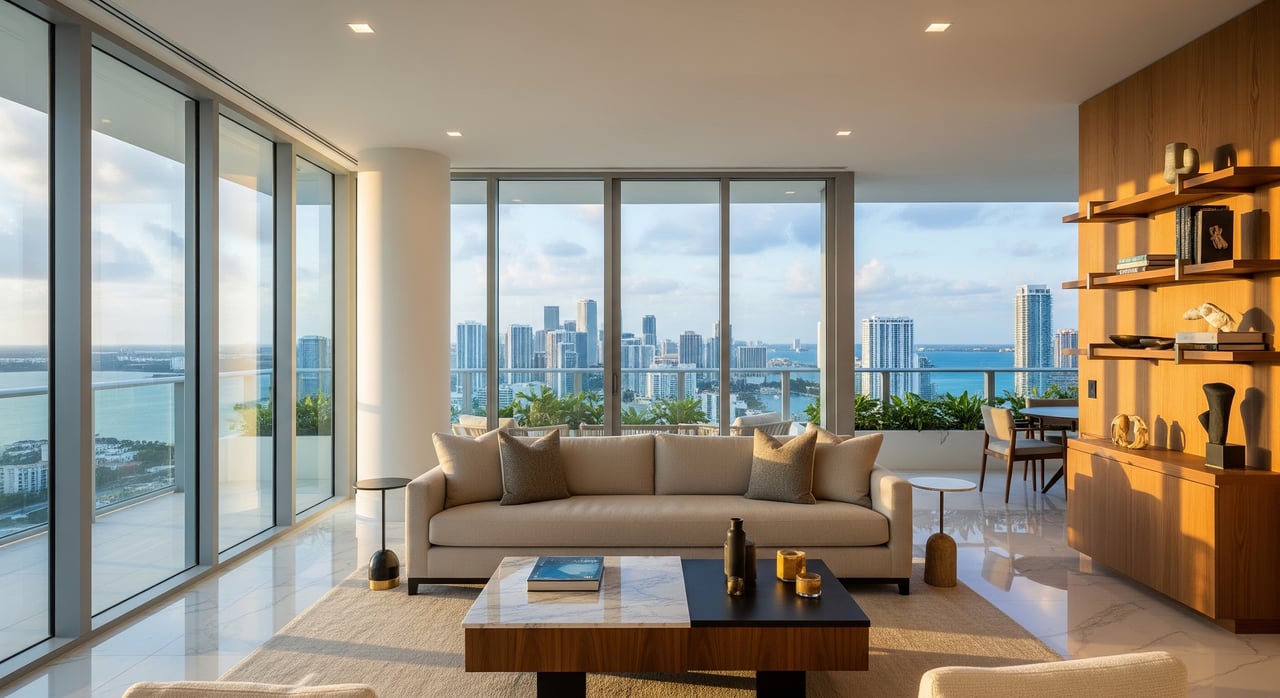
Thinking about living above it all in Brickell? If you picture mornings with coffee on a balcony, a quick walk to work, and dinner plans just an elevator ride away, you’re in the right place. You also want to know the tradeoffs that come with high-rise life in Miami’s urban core, from HOA fees to parking and hurricane prep. This guide walks you through day-to-day living, transportation, building types, costs, rules, and whether Brickell fits your lifestyle. Let’s dive in.
What Brickell feels like
Brickell is Miami’s dense, high-rise financial and mixed-use core just south of Downtown. You’ll see a continuous corridor of condo towers, international banks, professional offices, and resort-style residential buildings. The vibe is fast on weekdays, then social in the evenings and weekends with dining, rooftop bars, and fitness classes.
Many residents are lifestyle-driven professionals in finance, law, tech, hospitality, and corporate roles. You’ll also find a high share of renters and short- to mid-term relocators. Quieter pockets exist toward Brickell Key and along some edges, while central blocks stay lively late.
Day-to-day convenience
Walkability and errands
Brickell is one of Miami’s most walkable neighborhoods. Many towers sit within a short walk of cafés, restaurants, gyms, and transit. Streets with active retail feel very pedestrian-friendly, though some blocks are more focused on building entries and driveways.
Bike-share and e-scooters operate in and around the corridor. Protected bike lanes exist in parts of the greater downtown area, but the network can be spotty for longer rides. For most short trips, walking is often the fastest choice.
Grocery and shopping
You can handle most daily needs within a few blocks. There are multiple supermarkets, specialty food options, and convenience markets nearby. For larger-format shopping, you’ll likely drive or hop on transit for a quick ride.
Major mixed-use projects blend retail, dining, entertainment, and services like salons, banks, and dry cleaning. The result is a true “live-work-play” setup that reduces car trips.
Dining and nightlife
Dining ranges from casual cafés and quick lunch spots to upscale restaurants and rooftop concepts. Waterfront options add to the vibe, especially at sunset. Nightlife is active with lounges, hotel bars, and pop-up events.
Expect more foot traffic and noise near restaurant clusters and late-night venues, especially on weekends. If evenings are your time to unwind, ask about sound exposure and floor height when you tour.
Parks and waterfront
Brickell fronts Biscayne Bay and the Miami River in places, so you’ll have access to promenades and small parks. The Brickell Key loop is popular for jogging and scenic walks. Larger parks are available with a short drive.
Boating is part of the lifestyle for many residents. Some buildings offer docks or partner with nearby marinas. If water access is important to you, verify the building’s options in advance.
Fitness and wellness
Most high-rises include on-site gyms, and many offer full spa-like amenities. You’ll also find boutique studios for yoga, spin, and functional training within easy walking distance. Wellness clinics, dermatology, and dental offices are common in the mixed-use corridors.
Hospitals and specialist centers are a short drive away. If emergency access is a priority, map out the facilities closest to your specific building.
Work and coworking
Many Brickell residents walk to work. The neighborhood houses corporate, financial, and professional offices, which can make your commute as simple as an elevator plus a few blocks. Coworking brands and local studios are nearby, and many condos include business centers and meeting rooms.
Getting around
Public transit
Brickell connects to Miami-Dade Transit’s Metrorail and the free Metromover. That makes it easier to commute car-free to Downtown, the Civic Center, and key transfer points. Multiple bus routes also serve the corridor for local trips.
Regional and intercity rail terminals are close by in the greater downtown area. Walking times and transfers vary, so plan routes based on your actual address and schedule.
Driving and parking
You’ll have quick access to I-95 and major arterials, which is helpful for trips across Miami-Dade. Traffic gets heavy during peak periods, especially at rush hour. For errands within the core, walking often beats driving.
Most high-rises include garage parking. Guest parking, daily rates, and street parking can be limited or expensive. Some buildings charge separately for assigned spaces while others include parking in HOA fees, so confirm details up front.
Micromobility and biking
For last-mile trips, bike lanes and shared mobility help, though the network is still improving in parts of the CBD. Many buildings provide bike rooms. Ask about storage availability if cycling is part of your routine.
Airport and regional trips
Miami International Airport is reachable by car or transit with a transfer. Travel time varies by time of day and your chosen mode. Intercity rail stops in the broader downtown area also support regional trips.
High-rise living essentials
Building types and units
You’ll see a mix of full-service luxury towers, newer mixed-use developments with retail, and older concrete high-rises. Studios and one-bedroom units are common for city living, and larger multi-bedroom residences and penthouses exist in many buildings. Newer developments often lean into denser amenities and private club-like spaces.
Amenities and services
Frequent perks include 24/7 concierge or doorman, valet parking, fitness centers, pools and spas, lounges, business centers, package rooms, and pet areas. Some buildings program resident events or offer private dining rooms and screening rooms. Service levels vary widely, so tour during staffed hours to get a feel for operations.
Costs and HOA fees
Brickell has a large rental market, and ownership is common among longer-term residents. Prices and rents change with market cycles, so review up-to-date data before you decide. In high-service buildings, HOA fees can be substantial because they cover staffing, building maintenance, insurance, security, and common-area utilities.
Before you buy, review the HOA budget, reserves, and any special assessments. If you plan to homestead, look into Miami-Dade County tax rules and exemptions for primary residences. Always include insurance and parking costs in your monthly planning.
Rules, rentals, and pets
Many associations have rental restrictions, such as minimum lease terms or investor caps. Short-term rentals are often prohibited or tightly regulated, so verify CC&Rs and local rules if you plan to host. Pet policies vary by building and can include size limits, breed rules, and fees.
If renting your condo is part of your investment strategy, build your short list around buildings with policies that match your goals. Get everything in writing before you make an offer.
Hurricanes, flooding, and insurance
Brickell is low-lying and faces coastal flooding risk from king tides and storm surge. Many newer buildings include elevated ground floors, impact windows, and storm-hardened systems. Associations typically publish hurricane plans and evacuation guidance.
Flood insurance and wind coverage may be required, and premiums depend on building construction and location. Review FEMA flood maps and talk to insurers and your lender early. Ask buildings about generators, backup power, and pump systems.
Is Brickell a fit for you?
Brickell tends to work best if you value a dense urban lifestyle with built-in convenience. Walking commutes, on-site amenities, and proximity to dining and nightlife are the big draws. It is one of Miami’s most internationally connected neighborhoods, and that energy shows up in the daily rhythm.
If you prioritize large yards, very quiet streets, or a suburban setting, other Miami-Dade areas might suit you better. Families live in Brickell, but unit sizes, costs, and urban density mean it is less oriented to suburban-style family life. Evaluate your space needs and nearby school options to see if it aligns with your plans.
Smart next steps
Due diligence checklist
- Request HOA documents, including recent meeting minutes, budgets, reserve studies, and rules.
- Ask about rental policies, pet rules, parking fees, and any planned assessments.
- Visit at different times to gauge traffic, nightlife noise, delivery schedules, and elevator wait times.
- Test commute options by car, transit, bike, or on foot during peak hours.
- Review flood zones, building resilience features, and insurance requirements.
Compare total monthly costs
Look beyond your mortgage or rent to understand the full picture. Add HOA dues, parking, utilities, and insurance to build a realistic monthly budget. If you plan to rent out your unit, include vacancy assumptions and any building application fees.
Ready to explore Brickell high-rise living with local guidance? Connect with Rebecca Sundel for boutique, white-glove buyer or seller representation, investor advisory, and a clear plan tailored to your lifestyle. Request Your Home Valuation or schedule a consult to map your next move.
FAQs
Is Brickell walkable for daily errands?
- Yes. Most residents can walk to restaurants, groceries, gyms, and transit within a few blocks, especially near major mixed-use corridors.
How safe is Brickell compared with other urban areas?
- Brickell is generally considered safe for an urban core, but use standard precautions against petty theft and review recent local data for specifics.
Are Brickell condo HOA fees typically high?
- They can be, especially in full-service towers where dues fund staffing, maintenance, insurance, security, and common-area utilities.
What are Brickell’s rental and short-term rental rules?
- Policies vary by building, and many associations restrict short-term stays. Always verify CC&Rs and local regulations before you buy.
How difficult is parking in Brickell high-rises?
- Many buildings include garage parking, but guest spaces and street parking can be limited or costly. Some buildings charge extra for assigned spots.
What should I know about flooding and hurricanes in Brickell?
- Brickell is vulnerable to coastal flooding and storms. Newer buildings often include resilience features, and flood and wind insurance may be required.
Is Brickell a good fit for families?
- Families live in Brickell, but unit sizes, costs, and urban density make it less suburban in feel. Evaluate space needs, nearby schools, and daily routines.