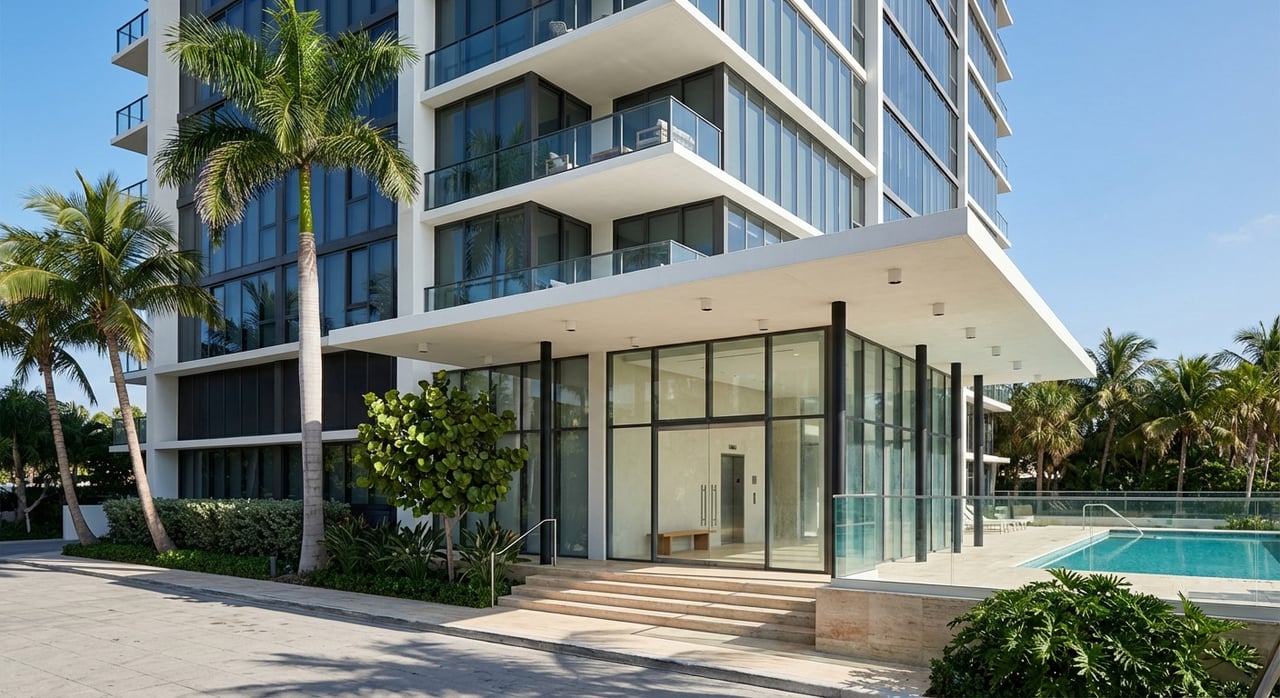
You have hundreds of Miami Beach condo buildings to choose from, and at first glance many look alike. The views sparkle, the amenities pop, and the lifestyle is tempting. The real difference shows up in each building’s inspections, reserves, insurance, rental rules, and location-specific risks like flooding. This guide gives you a clear, practical checklist to compare buildings apples to apples so you can buy with confidence. Let’s dive in.
Match location to lifestyle
Choosing the right micro-location helps you narrow your list fast.
- South Beach: Iconic nightlife, restaurants, and beaches, with steady tourism and a lively atmosphere. Expect more activity and seasonal crowds.
- Mid-Beach: A middle ground with beach access and a calmer feel than the South Beach core. Good if you want resort living without constant noise.
- North Beach: Quieter, more residential energy with broader inventory. Many buildings are older, so check recertification timing and recent work.
- Special islands: Limited condo options and different ownership setups. Expect privacy, smaller supply, and premium pricing.
Before you fall in love with a building, check flood exposure and walkability for your daily needs. Use the federal FEMA Flood Map Service Center and the City’s Interactive Flood Guide to see property-specific flood zones and tips.
Confirm building age and safety inspections
Florida now requires recurring structural “milestone inspections” for condominium buildings three or more stories high. The first inspection comes at 30 years from the certificate of occupancy date, or 25 years for certain coastal buildings, and every 10 years after that. The law outlines a two-step process: a visual Phase 1, and a more detailed Phase 2 if the engineer finds substantial structural deterioration. Review the statute at Florida Statute §553.899 and the state’s rollout timeline on the DBPR Condo Information page.
Miami-Dade overlays a recertification program that historically followed a 40-year and 10-year cycle. The County has updated its rules to align with state milestones and may accelerate deadlines for coastal properties. Verify a building’s recertification status on the Miami-Dade Building Recertification page.
What to request:
- Any recent Milestone Inspection reports and whether a Phase 2 was required.
- The Structural Integrity Reserve Study (SIRS) and the plan to fund identified projects.
- Proof of completed or scheduled repairs tied to inspection findings.
Review maintenance history and permits
A well-run building keeps receipts. Ask for a summary of recent capital projects like roofing, façade and waterproofing, elevator modernizations, and pool work. Request contractor warranties and engineer reports. Then verify details against public records.
- Cross-check year built and property data with the Miami-Dade Property Appraiser search.
- Ask for permit history and look for open or expired permits. Confirm there are no recorded construction liens.
Analyze HOA finances and reserves
Healthy reserves, clear budgets, and transparent special assessments tell you how a building manages risk. Request the last 2 to 3 years of budgets and year-end financials, the latest reserve study and SIRS, current reserve balances, and accounts receivable aging to see delinquencies. Look for a visible plan to fund major projects identified in SIRS or milestone reports. If reserves are very low and special assessments are looming without a clear funding strategy, proceed with caution.
Confirm association insurance and deductibles
Ask for the association’s master policy declarations, flood coverage for common elements, and fidelity bond. Confirm what the master policy covers versus what owners must insure. Large or unusual deductibles should be evaluated alongside reserves and any planned special assessments, since future storm claims can trigger significant out-of-pocket costs for owners.
Evaluate management, governance, and records
Strong governance reduces surprises. Request the management contract, the last 12 to 24 months of board minutes, and major vendor agreements. You are looking for stability, clear decision-making, and proactive planning. Repeated contractor disputes, frequent board turnover, or delayed records can be warning signs.
Check litigation and title encumbrances
Significant, unresolved litigation or recorded liens can derail financing and add risk. Ask for any current litigation files or settlement documents from the association. Also run a search for pending lawsuits and official records using the Miami-Dade Clerk resources, which are accessible through the Miami-Dade court records portal.
Understand rentals and local taxes
If rental income is part of your plan, confirm both the building’s governing documents and the City’s rules. Miami Beach enforces strict short-term rental regulations that require registration, a Business Tax Receipt, a Certificate of Use, and association authorization where applicable. Many residential zones restrict short stays. Review the City’s short-term rental requirements and verify the building’s bylaws and house rules.
Miami Beach also imposes a municipal resort tax for short-term room rentals in addition to state and county transient taxes. Factor this into your projections and review rates and filing steps on the City’s Resort Tax page.
Confirm financing and warrantability
Your mortgage options depend on the building’s eligibility. Many lenders rely on Fannie Mae’s Condo Project Manager and FHA project approvals to determine if a building is “warrantable.” Issues like unfunded structural repairs, high delinquency, excessive commercial space, concentrated ownership, or significant litigation can block conventional financing. Have your lender check project eligibility early using resources like Fannie Mae’s Condo Project Manager.
Map flood and sea-level exposure
Flood zone designation affects insurance requirements, premiums, and long-term livability. Verify the property’s flood zone on the FEMA Flood Map Service Center, then layer in local context through the City’s Interactive Flood Guide. If the building sits in an area known for king tides, ask residents and the manager about recent water events and mitigation efforts.
On-site and unit inspections to prioritize
Coastal buildings face salt-air corrosion that can affect concrete and metal over time. Beyond a standard home inspection, focus on windows and doors, balconies, waterproofing, and plumbing and electrical. If the building recently completed a Phase 2 milestone, consider having a structural engineer review the report and confirm the repair scope and quality. Ask to see documentation of completed work before closing.
Step-by-step due diligence workflow
Use this practical sequence to stay organized:
- Early with your offer: Have your lender check project eligibility and request the HOA estoppel and recent budgets. If conventional financing is not possible, adjust strategy quickly.
- In parallel: Obtain the Milestone Inspection, SIRS, reserve study, and master insurance certificates. Review repair status, deductibles, and reserves.
- Before you commit: If inspections identify major structural work, negotiate credits or require documented timelines and funding plans in writing.
- Final checks: Read the declaration, bylaws, and rental policy to confirm leasing rules match your plans. Run litigation and permit searches, and review board minutes for pending assessments.
Big red flags to watch
- Unresolved Phase 2 milestone findings or life-safety repairs that lack funding.
- Large special assessments with unclear timelines or a history of waived reserves.
- Assessment delinquencies over industry norms, extensive litigation, or concentrated ownership that may block conventional loans.
- Insurance gaps or very high deductibles not backed by reserves.
- A mismatch between the building’s leasing rules and your rental plans, especially if you assumed short-term rental income.
Buyer scenarios: what to prioritize
- Primary residence buyer: Focus on building stability and livability. Give extra weight to SIRS and milestone outcomes, insurance deductibles, board minutes, and flood exposure. Verify noise levels, parking, and everyday access to shops and services.
- Vacation or rental-focused buyer: Confirm short-term rental authorization at both the HOA and city levels. Build a full operating budget with resort taxes, association fees, insurance, management, utilities, and realistic nightly rates and occupancy. Warrantability matters for resale and buyer pool.
- International buyer: You can buy in Miami Beach, but financing terms can differ by lender for non-resident purchasers. Plan for documentation and higher down payments. If you later sell, U.S. tax rules like FIRPTA may apply, so involve qualified tax advisors early.
Your next step
The right Miami Beach condo building balances lifestyle with a solid inspection and reserve story, a clear insurance plan, financing eligibility, and rental rules that fit your goals. If you want a building-by-building game plan, market context, and negotiation strategy tailored to you, connect with Rebecca Sundel for a focused consultation.
FAQs
What is a condo milestone inspection in Florida?
- It is a recurring structural inspection required for buildings three or more stories. The first inspection occurs at 30 years from the certificate of occupancy, or 25 years for certain coastal buildings, then every 10 years. It includes a visual Phase 1 and a detailed Phase 2 if engineers find substantial deterioration.
How do Miami Beach short-term rental rules affect my condo choice?
- The city requires registration and documentation and restricts short stays in many residential zones. Always confirm both the building’s bylaws and the city’s short-term rental requirements before assuming rental income.
Why do lenders care if a condo is “warrantable”?
- Warrantability signals that a building meets conventional loan guidelines. If a building has unfunded structural repairs, high delinquencies, excessive commercial space, or major litigation, lenders may decline loans, which can affect your financing and future resale.
Which documents should I request from a Miami Beach condo association?
- Ask for milestone and SIRS reports, recent budgets and financials, reserve balances, insurance certificates, board minutes, governing documents and rental rules, estoppel certificate, permit history, and any litigation files.
How can I check a building’s flood risk in Miami Beach?
- Look up the address on FEMA’s Flood Map Service Center to find the flood zone, then review local conditions and guidance using the City of Miami Beach Interactive Flood Guide.