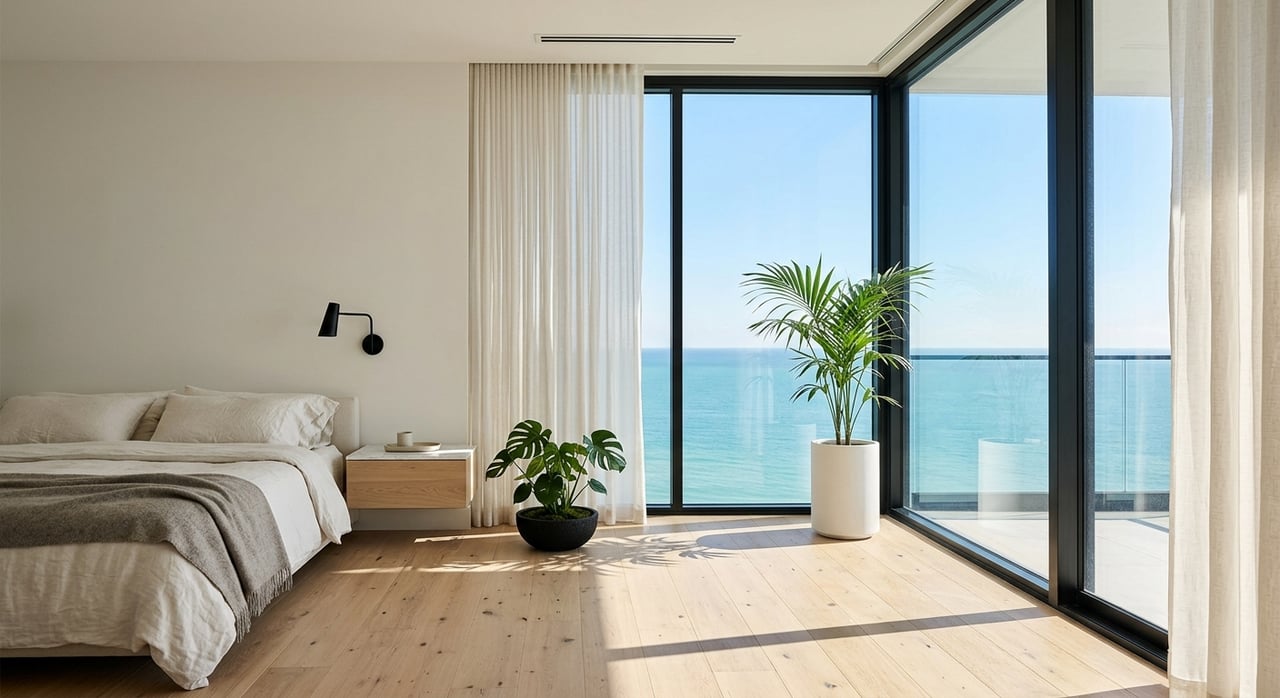
Dreaming about a place in Miami Beach sounds easy. Buying the right second home here takes more than falling for an ocean view or a stylish lobby. If you want a home that fits your lifestyle, budget, and long-term plans, you need to look closely at financing, taxes, flood exposure, condo documents, and rental rules before you commit. Let’s dive in.
Why Miami Beach feels different
Miami Beach is not just another coastal market. It is a low-elevation island community, and the city says it faces drainage challenges and flooding from heavy rainfall, high tides, and storm surge. That means your second-home search should include practical questions about insurance, building condition, and location right from the start.
For day-to-day living, Miami Beach is often grouped into three main areas: South Beach, Mid Beach, and North Beach. The city’s complimentary trolley system connects all three, which can be helpful if you want flexibility without depending on a car every day. Each area offers a different feel, so your search should start with how you want to use the home.
Start with your second-home goals
Before you tour properties, get clear on what this purchase needs to do for you. Some buyers want a true personal retreat, while others want the option to rent the property in the future. In Miami Beach, that difference matters because the rules and costs can change quickly depending on intended use.
If you plan to buy as a second home under conventional financing, Fannie Mae says the property generally must be a one-unit home that you occupy for part of the year, is suitable for year-round occupancy, remains under your exclusive control, and is not a rental property or timeshare. That makes it important to decide early whether this will be mainly for personal use or part of a broader investment strategy.
Budget for the full carrying cost
A second-home budget in Miami Beach should go beyond the purchase price. You will want to account for closing costs, taxes, insurance, association costs if applicable, and reserve requirements from your lender. Looking only at the monthly mortgage payment can create a false sense of affordability.
The Consumer Financial Protection Bureau says closing costs typically run about 2% to 5% of the purchase price, before your down payment. On top of that, Fannie Mae notes that a second-home transaction commonly requires two months of reserves in desktop underwriting, with additional reserves possible if you have multiple financed properties.
Property taxes need special attention in Miami-Dade. The county property appraiser warns that taxes may rise after a sale if the seller’s homestead exemption or Save Our Homes cap no longer applies. In simple terms, you should not use the current owner’s tax bill as your future baseline.
Homestead usually does not apply
Miami-Dade ties homestead exemption to a primary residence. The county states that the benefit applies to a permanent residence as of January 1, with a March 1 filing deadline. For most second-home buyers in Miami Beach, that means you should budget as if homestead savings will not apply.
This point can have a big impact on your long-term monthly cost. If you later make the home your actual primary residence, that may change, but it should not be part of your initial second-home math unless that move is real and immediate.
Pick the right area for your lifestyle
One of the easiest ways to narrow your search is to match your lifestyle with the right part of Miami Beach. The city’s main reference points are South Beach, Mid Beach, and North Beach, and each one can lead you toward a different type of property and routine.
South Beach often appeals to buyers who want to be close to dining, nightlife, and a fast-paced coastal setting. Mid Beach may suit buyers who want a balance of resort-style living and easier separation from the busiest stretches. North Beach is known in part for its MiMo architecture, which may matter if you are drawn to older buildings with a distinct coastal design character.
Your choice should also reflect how often you will use the home. If you expect frequent weekend trips, convenience and low-maintenance living may matter more than square footage. If you plan longer seasonal stays, building rules, parking, storage, and neighborhood rhythm may become more important.
Houses and condos require different due diligence
Miami Beach buyers often compare a condo with a house, but the review process is not the same. In many cases, a condo may offer easier lock-and-leave ownership, while a house may offer more privacy and control. The tradeoff is that each property type comes with a different checklist.
Florida’s DBPR says residential condominium and cooperative buildings that are three or more habitable stories must complete milestone inspections at certain ages, generally at 30 years and every 10 years after that, or 25 years in some local circumstances. DBPR also explains that a structural integrity reserve study is a separate planning tool, and Florida law requires it at least every 10 years for qualifying condo buildings.
Single-family, two-family, three-family, or four-family dwellings with three or fewer habitable stories above ground are exempt from the milestone inspection requirement. That does not make one property type better than the other, but it does mean your review process will look different depending on what you buy.
Condo documents to request early
If you are considering a condo, ask for the association’s official records before you get too far. DBPR states that milestone inspection reports and reserve studies are part of those official records and must be provided to potential purchasers. These records can help you understand building condition and future funding needs.
At a minimum, request:
- The milestone inspection report, if applicable
- The structural integrity reserve study, if applicable
- The current association budget
- Recent information about maintenance funding
- Rules that affect occupancy and rentals
This step matters because condo fees do not automatically tell you the full story. A building can have attractive amenities and still face future maintenance costs that affect your ownership experience.
Check flood risk and insurance early
Flood risk should never be an afterthought in Miami Beach. The city states clearly that low elevation and proximity to water can create flooding issues from heavy rain, high tides, and storm surge. FEMA also notes that flood risk is always changing and that there is no such thing as a no-risk zone.
That is why buyers should review flood hazard information and insurance options early in the process, not days before closing. FEMA also says most homeowners insurance does not cover flood damage, so separate flood coverage may be necessary depending on the property and your lender’s requirements.
Do not wait on flood insurance timing
Flood insurance timing can affect your closing plan. FEMA says National Flood Insurance Program coverage usually has a 30-day waiting period before becoming effective, unless the policy is required for a government-backed mortgage or tied to a map change. If flood coverage may be needed, it is smart to start that conversation well before the last minute.
In practical terms, this means you should compare not just purchase price, but also the likely insurance profile of each property. Two homes with similar views can carry very different ownership costs.
Understand short-term rental rules before you buy
Many second-home buyers like the idea of earning income when they are not using the property. In Miami Beach, that plan needs careful verification. Short-term rental rules are specific, and they can change the economics of a purchase more than finishes or amenities.
The city says vacation and short-term rentals, defined as less than six months and one day, are prohibited in all single-family homes and in many multifamily buildings in certain zoning districts. Where short-term rentals are allowed, the city requires a Business Tax Receipt and a Resort Tax account, and those numbers must appear in every listing.
Miami Beach also requires a Certificate of Use and a Business Tax Receipt for short-term-rental businesses. The city publishes a list and map of apartment buildings authorized for short-term rental, which is a strong reminder that not every building in Miami Beach works for this strategy.
County tax compliance matters too
If you may ever rent the property on a transient basis, Miami-Dade tax compliance belongs in your budget and planning. The county says owners making transient rentals are typically required to register to collect and remit Convention and Tourist Taxes, although some booking platforms may collect and remit on behalf of hosts. If you use multiple platforms or self-manage, the county says you generally need your own registration.
Miami-Dade also states that these returns are due monthly and become late after the 20th of the following month. So even if rental income is only a backup plan, you should understand the local compliance steps before you buy.
Use the city’s maps during due diligence
Miami Beach offers a useful planning resource for buyers through its official maps and guidelines. The city keeps zoning, historic district, parking district, future land use, and commercial use maps in one place. These are valuable for confirming whether a property fits your intended use and for spotting issues that deserve follow-up.
The city also notes that these maps are not survey instruments, so they should be treated as planning references rather than final boundary documents. In other words, they are a smart starting point for due diligence, not the final word.
A practical order for buying smart
When you are buying from out of town, it helps to follow a simple sequence. In Miami Beach, that order can save you time, money, and frustration.
- Define whether the home is for personal use only or could become income-producing.
- Narrow your search by area, building type, and lifestyle fit.
- Verify zoning and any building-specific rental restrictions.
- Review condo records, inspection reports, reserve studies, and budgets if applicable.
- Estimate taxes based on your likely post-sale reality, not the seller’s current bill.
- Price insurance early, especially flood coverage.
- Recheck monthly carrying costs before making an offer.
This process may feel more detailed than a typical vacation-home search. In Miami Beach, it is often the difference between a smooth second-home purchase and a property that does not match your goals.
If you want a second home here, the good news is that Miami Beach can offer the mix of lifestyle, flexibility, and long-term appeal that buyers are looking for. The key is making a decision with clear eyes, strong local guidance, and a full understanding of how the building, the block, and the rules shape your ownership experience.
If you are weighing condos versus houses, comparing South Beach with Mid Beach or North Beach, or trying to understand whether a property could work for future rental use, Rebecca Sundel can help you sort through the details and make a confident move.
FAQs
Does a second home in Miami Beach qualify for homestead exemption?
- Usually no. Miami-Dade ties homestead exemption to a primary residence, so most second homes should be budgeted without that savings.
Can you use the seller’s current property taxes to estimate your future taxes in Miami Beach?
- No. Miami-Dade warns that taxes can rise after a sale if the seller’s homestead exemption or Save Our Homes cap drops away.
What condo documents should you review before buying a second home in Miami Beach?
- Ask for the current budget, milestone inspection report if applicable, structural integrity reserve study if applicable, and documents that explain future maintenance funding and building rules.
Are short-term rentals allowed for every Miami Beach second home?
- No. Miami Beach says short-term rentals are prohibited in all single-family homes and in many multifamily buildings in certain zoning districts, so you need to verify both zoning and building rules.
Does homeowners insurance cover flood damage for a Miami Beach second home?
- Usually not. FEMA says most homeowners insurance does not cover flood damage, so flood insurance may need separate review.
What are the main areas to consider when buying a second home in Miami Beach?
- Miami Beach is commonly organized around South Beach, Mid Beach, and North Beach, and each area offers a different lifestyle and building mix.