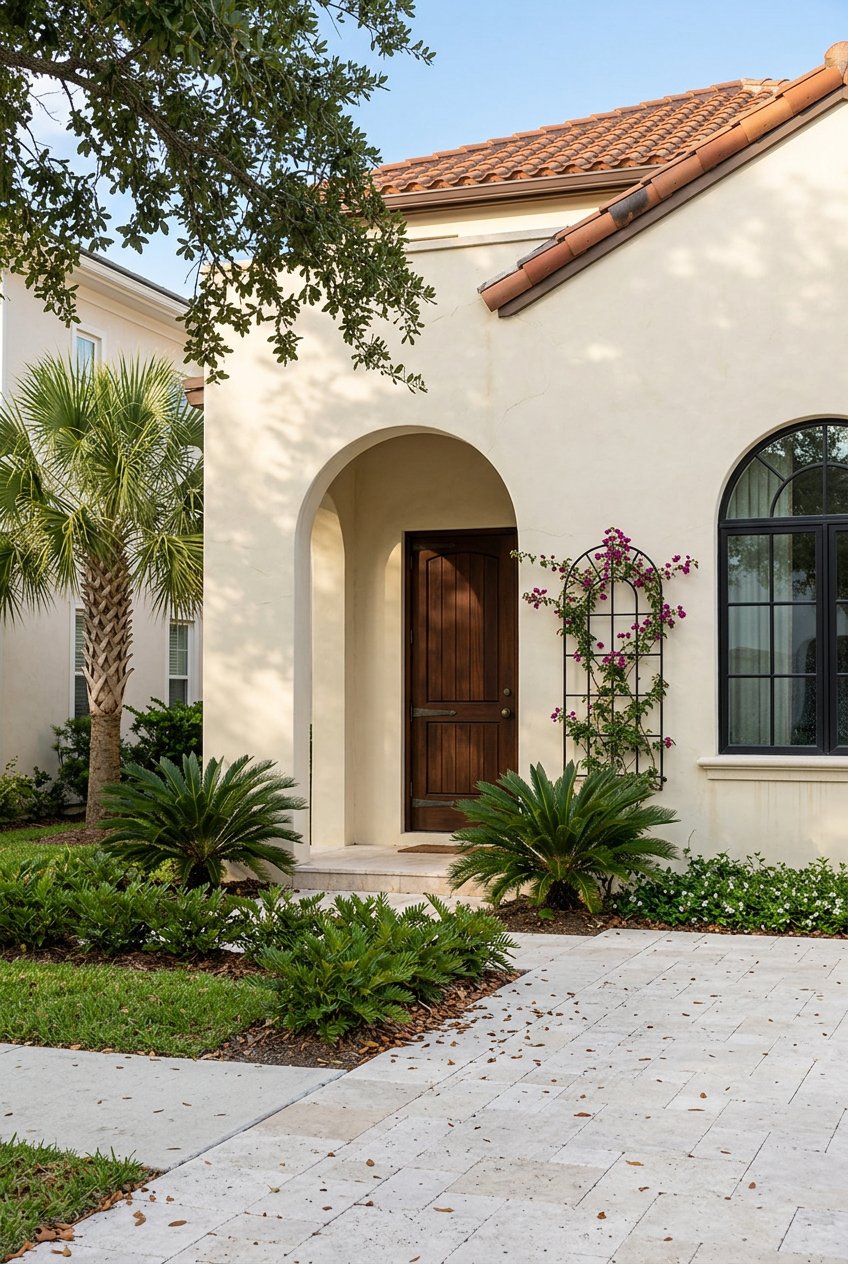
Love the idea of a sunlit courtyard, a red tile roof, and arched doorways that tell a story? Coral Gables delivers that charm in spades. If you are drawn to the city’s character homes, you also want the facts on preservation rules, inspections, costs, and timelines. In this guide, you will learn how historic status works in Coral Gables, what renovations require special approvals, common issues to look for, and a step-by-step plan to buy with confidence. Let’s dive in.
Why Coral Gables homes stand out
Architectural character you can feel
Coral Gables grew rapidly in the 1920s and 1930s under George E. Merrick’s “City Beautiful” vision. Many homes reflect Mediterranean and Spanish Colonial Revival styles. You will often see smooth stucco, clay tile roofs, arched openings and loggias, ornamental tile and ironwork, and lush courtyards with fountains. Some landmark buildings feature local coral rock and coquina. These details are part of what makes the city special.
What “historic” means in the Gables
The City maintains a local Register of Historic Places and a Historic Preservation program that oversees changes to listed properties. A home typically needs to be at least 50 years old to qualify for local designation. If a property is listed, most exterior changes must go through a preservation review before you can get building permits.
How preservation rules affect your plans
When you need a Certificate of Appropriateness
If the home is locally designated, exterior work usually requires a Certificate of Appropriateness (COA). That includes replacing windows, altering a roof line, adding a visible addition, moving or demolishing a structure, and similar projects. The city’s Historical Resources staff or the Historic Preservation Board reviews COA applications. Expect to submit plans, photos, and other documentation. If the property is near a landmark or lies inside a historic district, design guidelines may still influence your project. Ask city staff early so you can plan the right path.
Timelines and expectations
COA processing time depends on your scope, submittal completeness, and whether a Board hearing is required. Build in extra weeks for review and possible revisions. If your purchase depends on doing work quickly after closing, confirm feasibility and timing during the inspection period.
A local tax incentive worth noting
Coral Gables offers an ad valorem property tax incentive for qualified rehabilitations on locally listed properties. If your project follows the Secretary of the Interior’s Standards and you enter into a preservation covenant with the City and Miami-Dade County, you may be eligible for a 10-year tax freeze on the improved value. Ask the city how eligibility works, what improvements qualify, and what the covenant requires.
Renovation realities in older Gables homes
Materials and systems to evaluate
Many historic and character homes in Coral Gables were built in the 1920s to 1940s with masonry and stucco finishes and clay tile roofs. The details are beautiful, yet some systems need modernizing. During inspections, pay special attention to:
- Roofs: Clay tile is durable but complex. Look for underlayment failure and flashing issues. Hire a tile-roof specialist for evaluation.
- Stucco and substrate: Older stucco can crack or delaminate if moisture is trapped. Verify roof and flashing integrity to prevent water intrusion.
- Plumbing: Older homes may have galvanized supply or cast iron drain lines. Replacement can be costly and disruptive, so get a clear scope and estimates.
- Electrical: Outdated wiring, undersized service, or ungrounded circuits are common. A licensed electrician can assess panel age and safety and outline upgrade costs.
- Termites and wood-destroying organisms: Miami-Dade has aggressive subterranean species. Order a professional WDO inspection and request records of any prior treatments.
- Lead and asbestos in pre-1978 homes: Federal rules require lead disclosures for pre-1978 housing. If you plan to disturb painted surfaces, use EPA-certified contractors and consider lead risk assessments. Some older materials may contain asbestos and require specialty handling.
- Moisture, mold, and HVAC: Humidity and salt air accelerate corrosion and wear. Check for hidden moisture, mold risks, and rust on connectors. Review HVAC capacity, condition, and service history.
Hurricane and wind resilience
Miami-Dade County is part of Florida’s High Velocity Hurricane Zone. Protective features like impact-rated windows and doors, code-compliant roof-to-wall connections, and hurricane straps add resilience and can influence insurance pricing. A formal wind mitigation inspection that documents these features is often used by insurers and may help with premiums.
Permits, records, and what to verify
Where to find permit history
Start with Coral Gables Development Services for local permits, plan reviews, and inspections. The city can provide guidance on older records and may use microfilm archives for historic permits. Also check Miami-Dade County’s permits portal, since some work may appear in county systems. From the seller, request copies of all permits and final inspections for major projects, including roof, electrical service, structural changes, pool, and plumbing.
Confirm historic approvals
If the property is designated, ask for copies of any COAs, Historic Preservation Board minutes, or staff approvals connected to exterior work. Review any preservation covenant, especially if the seller received a tax abatement, and confirm what it requires going forward.
Flood zone and elevation details
Ask for any elevation certificates, previous flood claims, and Letters of Map Amendment or Revision. Then confirm the official flood zone using Miami-Dade resources and FEMA’s Map Service Center. If you are near a Special Flood Hazard Area, consider ordering a new elevation certificate to understand National Flood Insurance Program implications and to plan for future work that could trigger substantial improvement rules.
Building recertification rule
Miami-Dade and Coral Gables require recertification for buildings at 30 years and beyond, but single-family residences and duplexes are exempt. Confirm whether the rule affects your address, especially for larger or multifamily properties.
Your due-diligence game plan
Use this checklist during your option or inspection period:
- Confirm historic status. Ask the listing agent and city Historic Preservation staff whether the home is on the Coral Gables Register or contributes to a local district. Request the designation ordinance or report if it exists.
- Search permits. Request the seller’s permit records, then verify with Coral Gables Development Services and the Miami-Dade permit portal. For pre-digital eras, ask the city about microfilm or archived files.
- Order a general home inspection. Choose a licensed inspector who is comfortable with older Florida construction. Standard inspections typically do not include lead or asbestos testing, so add specialty tests if needed.
- Schedule specialty inspections as needed:
- Wood-destroying organism inspection for termites.
- Structural engineer review if you see settlement, roof sagging, or cracks.
- Tile-roof specialist inspection.
- Licensed electrician estimate for service size, grounding, and safety.
- Plumbing inspection and sewer scope where relevant.
- HVAC condition and efficiency review.
- Lead risk assessment or XRF testing for pre-1978 homes if you plan renovations or have young children.
- Wind mitigation inspection using the state form to document protective features.
- Elevation certificate or updated survey if in or near a FEMA flood zone.
- Request contractor records and warranties. Ask who did major work, permit numbers, final inspections, and any warranties for roofing, termite treatment, or structural repairs.
- Verify historic approvals and covenants. Gather past COAs, Board minutes, and any preservation covenant tied to a tax abatement. Know the conditions you must maintain.
Red flags that call for caution or renegotiation
- Major exterior changes or additions without permits or COAs.
- Repeated short-term termite treatments without documented structural repairs.
- Missing final inspections for roof, electrical service, or sewer conversions.
- High-risk flood zone with no elevation certificate or repeated flood claims.
Budget and timeline expectations
What to plan for
Every home is different, yet older Coral Gables houses often need attention in a few high-cost categories. Budget for:
- Roof replacement or major tile-roof repairs.
- Full electrical rewiring or a service upgrade if panels or wiring are outdated.
- Plumbing replacement for galvanized or cast iron lines, plus possible sewer lateral work.
- Foundation stabilization or structural repairs where settlement or rot exists.
- Impact windows and doors or code-rated shutters for storm resilience.
How long things take
- COA review: Allow extra weeks for preservation review. Timing depends on your submittal and whether a Board hearing is required.
- Specialty inspections: Plan a few days to two weeks depending on schedules and testing needs. Build slack time into your option period so you can respond to findings.
Make it your own with the right team
Buying a historic home in Coral Gables is as much about planning as it is about falling in love with the architecture. When you confirm historic status early, collect permits and approvals, and bring in the right inspectors, you can map your renovation path with clarity. A local advisor can coordinate city conversations, connect you with preservation-savvy contractors, and help you weigh costs against value.
If you want tailored guidance on a specific property, neighborhood-level insight, and introductions to trusted inspectors and trades, connect with Rebecca Sundel. You will get responsive, white-glove support backed by Coldwell Banker and grounded in Coral Gables expertise.
FAQs
What is a Certificate of Appropriateness in Coral Gables?
- A Certificate of Appropriateness is the city’s preservation review required for most exterior changes to locally designated properties. You typically need it before a building permit is issued.
How do I check if a Coral Gables home is locally historic?
- Ask the listing agent and the City’s Historic Preservation staff whether the property is on the Coral Gables Register or contributes to a district, and request the designation ordinance or report.
Do historic homes in Coral Gables qualify for tax incentives?
- Yes, locally listed properties may qualify for a 10-year ad valorem tax freeze on eligible rehabilitation work that meets preservation standards and is secured by a covenant with the City and County.
What inspections are most important for older Coral Gables homes?
- In addition to a general inspection, prioritize a tile-roof specialist, WDO termite inspection, electrical and plumbing assessments, a wind mitigation inspection, and an elevation certificate if near flood zones.
Where can I find old permits and approvals for a Gables home?
- Start with Coral Gables Development Services for local permits and microfilm archives, and check the Miami-Dade County permits portal. Ask the seller for permits, final inspections, and any COA records.
Are single-family homes subject to Miami-Dade’s 30-year recertification?
- No. Single-family residences and duplexes are exempt from the 30-year recertification requirement, which mainly applies to larger occupied buildings.
How does wind mitigation affect insurance in Miami-Dade?
- Documented features like impact-rated openings and reinforced roof connections can influence premiums. A wind mitigation inspection on the state form is commonly used by insurers to verify credits.